Why “High-Protein” Does Not Always Mean Healthier
| Although protein is an essential nutrient that supports growth, repair, and overall health, the current high-protein diet trend can be misleading when marketing makes protein seem more important than overall diet quality. |
Introduction
Protein has become one of the most popular words in food marketing. Grocery stores are filled with protein bars, protein shakes, high-protein yogurt, protein cereal, protein chips, and even desserts advertised as high protein. On social media, protein is connected with fitness, discipline, muscle building, weight management, and “healthy” eating. As a result, many people may start to assume that if a food is high in protein, it must be the healthier choice.
However, nutrition is more complicated than just the amount of protein in a product. Protein is important, but only as part of a healthy eating pattern. A food can be high in protein and still be high in sodium, saturated fat, added sugars, or highly processed ingredients. At the same time, many common foods such as beans, lentils, eggs, tofu, yogurt, fish, nuts, seeds, and lean meats already provide protein without needing special marketing.
This blog looks at why protein matters, how high-protein foods became such a trend, and why the word “protein” on a package does not automatically mean a food is the healthiest choice.
Why Protein Matters
Protein is essential for the body. It helps build and repair tissues, supports muscles, contributes to enzymes and hormones, and plays a role in immune function. For teenagers, protein is especially important because the body is still growing and developing. However, that does not mean more protein is always better.
Health Canada’s Dietary Reference Intake tables state that for children and teenagers aged 4 to 18 years of age, protein should generally make up 10% to 30% of daily energy intake (Health Canada, 2025). This range shows that protein is important, but it is meant to be just a part of a balanced diet that also includes carbohydrates, fats, fibre, vitamins, minerals, and water.
Canada’s Food Guide recommends eating a variety of protein foods, including beans, lentils, nuts, seeds, lean meats and poultry, fish, shellfish, eggs, lower-fat dairy products, tofu, soybeans, and fortified soy beverages (Health Canada, 2026). It also recommends choosing protein foods that come from plant-based protein more often because they can also provide more fibre and less saturated fat than many other protein choices (Health Canada, 2026). This is important because the goal is not just to have as much protein as possible, it to have protein foods that support an overall healthy diet. Marketing often makes protein seem like something people need to prioritize, but it is important to note that most people already get enough protein through regular meals and do not need protein supplements or protein enriched foods (Health Canada, 2026; Smith et al., 2015).
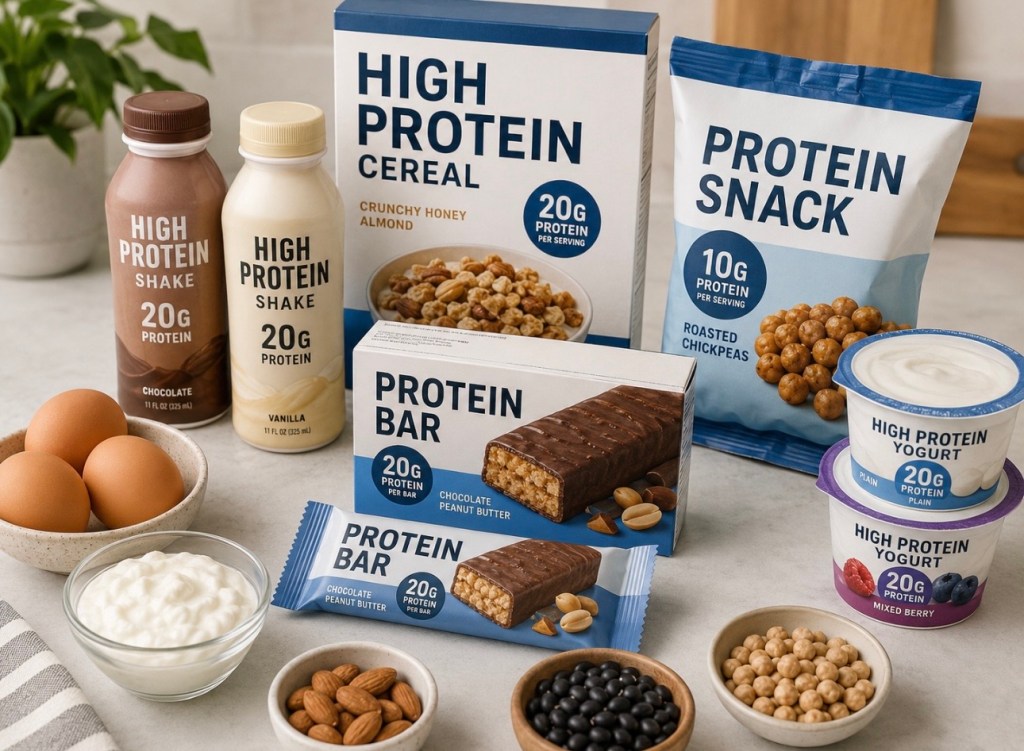
Figure 1. High-protein foods are often marketed as convenient, healthy, and fitness-focused, but the word “protein” on the front of a package does not automatically show the overall nutritional quality of the food.
The High-Protein Trend
The high-protein trend is popular partly because protein is associated with fitness, strength, muscle-building, and performance. Many protein products use words such as “fuel,” “power,” “lean,” “strong,” and “high protein” to make foods seem more athletic, healthy or performance-focused. These words can be especially persuasive for teenagers who see fitness, body-image, and nutrition content on social media.
There is nothing wrong with choosing protein-rich foods. The problem is when those products are advertised as healthier simply because they contain added protein, even if they are still highly processed or not very nutritious overall. For example, a protein snack may still contain added sugar, artificial sweeteners, saturated fat, refined ingredients, or high sodium. A person may choose it because the front of the package says “protein,” but the Nutrition Facts table and ingredient list may show it is not actually the healthiest choice.
This creates a “protein halo”. A health halo happens when one positive-sounding feature, makes a product seem healthier overall. In this case, the word “protein” can distract from other important parts of nutrition, such as fibre, whole grains, fruits and vegetables, healthy fats, and lower amounts of sodium or added sugar. McKeon & Hallman (2024) found that front-of-package protein labels on cereal can create this kind of health halo, making consumers view a product as healthier overall even when the full nutrition profile is more complicated.
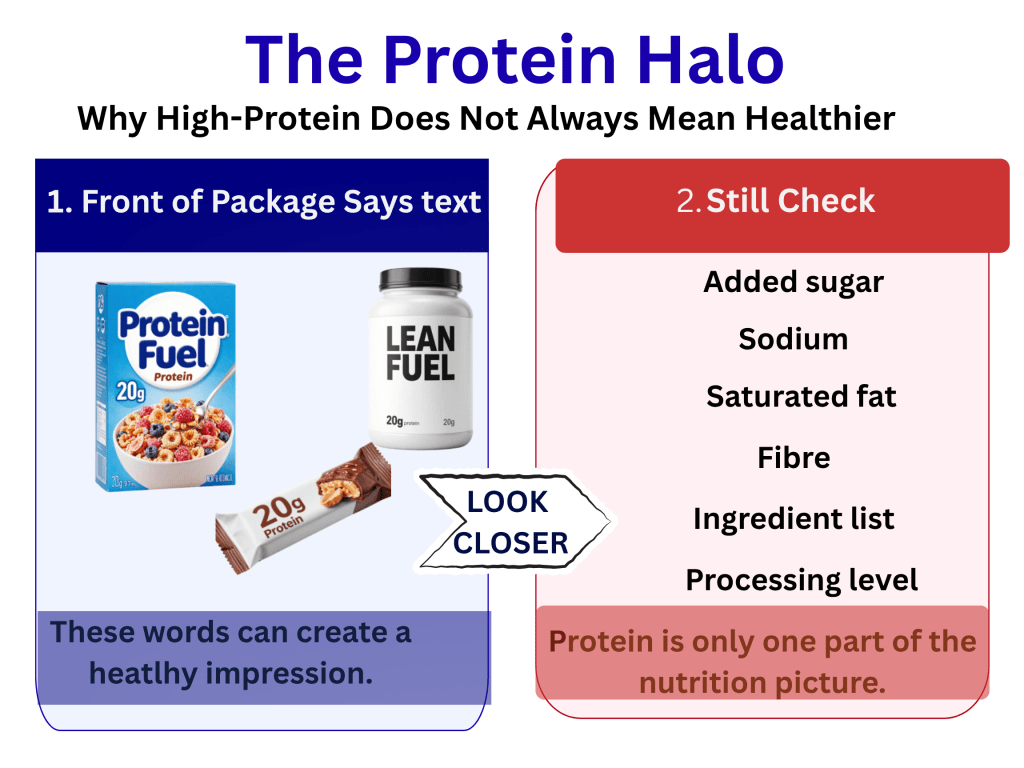
Figure 2. A high-protein label can make a product look healthier, but consumers still need to consider added sugar, sodium, saturated fat, fibre, and processing level (McKeon & Hallman, 2014).
For teens, the high protein trend can be especially misleading because it connects nutrition with fitness culture, social media, and the idea that more protein is always better. There is a widespread cultural belief that people require massive, constant amounts of protein to be healthy and build muscle. Protein bars, shakes, powder, or other high-protein snacks may seem necessary for health or performance, but most teens can meet their protein needs thorough regular meals that include everyday foods like eggs, yogurt, beans, lentils, tofu, nuts, fish, chicken, or milk. Even for young athletes, balanced meals and whole foods are generally recommended before relying on supplements (Smith et al., 2015). The real issue is not protein itself, it is when protein marketing makes one nutrient seem more important than overall diet quality.
Not All Protein Foods Are the Same
Protein comes in a protein “package” with other nutrients”. Harvard T.H. Chan School of Public Health explains that when people eat foods for protein, they also consume everything that comes with them, such as fats, fibre, sodium, vitamins, and minerals (Harvard T.H. Chan School of Public Health, n.d.). This means the source of protein matters.
For example, lentils, beans, chickpeas, tofu, nuts, seeds, fish, eggs, yogurt, and lean poultry can all provide protein, but they do not have the same nutritional value. Plant-based protein foods are important as protein sources, because they can be nutritious, affordable, and practical. Canada’s Food Guide lists beans, lentils, nuts, seeds, tofu, soybeans, and fortified soy beverages as protein foods and recommends including plant-based protein foods more often as they often provide fibre and contain less saturated fat than meat-based protein (Health Canada, 2026).
There are also environmental reasons to think about where your protein comes from. Harvard T.H. Chan School of Public Health notes that animal-based foods tend to have higher greenhouse gas emissions than plant-based foods, with red meat, especially beef and lamb, having a larger environmental impact (Harvard T.H. Chan School of Public Health, n.d.). Therefore, choosing plant-based proteins more often can support both personal health and environmental sustainability.
This does not mean everyone has to eat only plant-based protein sources. It means variety matters. A balanced approach can include both animal-based and plant-based protein foods while paying attention to the full nutritional value of the food.
The Problem with Extreme High-Protein Diets
High-protein eating can be reasonable when it includes a variety of foods and does not remove important nutrients. However, extreme high-protein diets can become a problem when they cut out too many carbohydrates, fibre-rich foods, fruits, vegetables, or whole grains. Mayo Clinic explains that some high-protein diets can contribute to issues such as headaches, constipation, and other concerns (Mayo Clinic, 2025).
Mayo Clinic also warns that high-protein diets that include large amounts of red meat, processed meats, or foods high in saturated fat may increase heart health risks (Mayo Clinic, 2025). High protein intake can also worsen kidney function in people who already have kidney disease as the body may have difficulty removing waste products from protein breakdown (Mayo Clinic, 2025).
For healthy teenagers, the message should not be to follow extreme diets or copy social media trends. The healthier message is to eat enough protein from a variety of sources while still including whole grains, fruits, vegetables, and healthy fats. Food choices should not just be about high protein, but, rather, should support growth, energy, learning, sports, mood, and long-term health.
The risk of eating too much protein is usually not the protein itself, it is what gets removed from the diet and what comes packaged with the protein, such as saturated fat, sodium, added sugars, or highly processed ingredients.
How to Read Protein Marketing More Critically
Protein marketing is especially powerful for teens who are interested in sports, fitness, or strength training. Instead of being attracted by branding, and assuming that every high-protein product is healthy, teens need to look at the whole food and what else they are taking into their bodies.
Better questions are:
- Is it a whole or minimally processed food?
- Does it contain fibre?
- Is it high in added sugar, sodium, or saturated fat?
- Is protein being added to make a processed food seem healthier?
- Could I get similar nutrition from a simpler food?
Protein bars or shakes are automatically bad. They can be convenient and useful in some situations. However, they should not replace a balanced diet or make people feel that regular foods are not good enough. For most teenagers, eating enough overall food, getting enough sleep, drinking enough water, and choosing a variety of meals matters more than chasing protein powders or high-protein snacks.
My Perspective
Before researching this topic, I thought high-protein foods were usually healthier because protein is connected with fitness, muscle building, strength, and discipline. Now I realize that the word “protein” on a package does not tell the whole story. A food can be high in protein but still not be the best choice if it is highly processed, high in fat or added sugar, or low in other important nutrients.
I also think the protein trend shows how easily teens can be influenced by social media leading to unbalanced nutrition. Extreme high-protein eating is unnecessary for most teens and may be risky for people with certain health conditions. Instead of focusing only on protein, people should think about their whole nutrition. A balanced diet should include protein, but it should also include fibre, fruits and vegetables, whole grains, healthy fats, and enough energy for the body to function well.
The goal should not be to eat the most protein possible. The goal should be to choose protein foods that support health, are enjoyable, and fit into a balanced lifestyle, while following the Canadian Food Guide recommendations.
Conclusion
Protein is important, but it should not be chosen at the expense of other important nutrients. It supports growth, repair, muscles, immune function, and overall health, but more protein does not automatically mean better nutrition. The high-protein trend can be useful when it encourages people to include nutritious protein foods, but it can also be misleading when it turns protein into a marketing tool that makes processed food seem healthier than they really are.
The best approach is to look beyond the front of the package. Protein source, fibre, sodium, saturated fat, added sugars, processing level, cost, and environmental impact all matter. Ultimately, healthy eating is not about one nutrient; it is about building a balanced diet of foods that supports the whole body.
References
Are high-protein diets safe for weight loss? (2024, May 23). Mayo Clinic. https://www.mayoclinic.org/healthy-lifestyle/nutrition-and-healthy-eating/expert-answers/high-protein-diets/faq-20058207
Dietary reference intakes tables: Reference values for macronutrients. (2025, November 19). Government of Canada; Health Canada. https://www.canada.ca/en/health-canada/services/food-nutrition/healthy-eating/dietary-reference-intakes/tables/reference-values-macronutrients.html
Eat protein foods | Canada’s food guide. (n.d.). Government of Canada; Health Canada. Retrieved May 20, 2026, from https://www.canada.ca/en/health-canada/services/food-guide/explore/healthy-eating-recommendations/eat-variety/eat-proteins.html
Protein | What Should I Eat? (n.d.). The Nutrition Source; Harvard T.H. Chan School of Public Health. Retrieved May 20, 2026, from https://nutritionsource.hsph.harvard.edu/what-should-you-eat/protein/


Leave a comment